
Vision Discovery: Defining the Future of Industrial Visualization
How we explored ideas, challenged assumptions, and built a shared vision for visualization that connects business goals, customer value, and product strategy.
Case Type: Product Discovery · Vision Alignment
Tags: UX · Product Strategy · Industrial Visualization
Time: 2023
Confidentiality Notice
This case study has been anonymised to comply with confidentiality obligations under the Company Personal Declaration of Secrecy. All product, team, and system names have been replaced or generalised. Visuals are shared privately for portfolio review only.
The Context — Why we needed a “Vision Discovery”
As our visualization framework grew across multiple products, we realised it was no longer “just a feature.” It had become the visual foundation for connecting data, people, and decisions within a broader ecosystem.
However, different teams interpreted “visualization” differently — for some it meant rendering precision; for others, user flow, collaboration, or integration.
To align these perspectives, we facilitated a Vision Alignment Workshop — a collaborative process designed to clarify the true value of visualization for users and for the business.
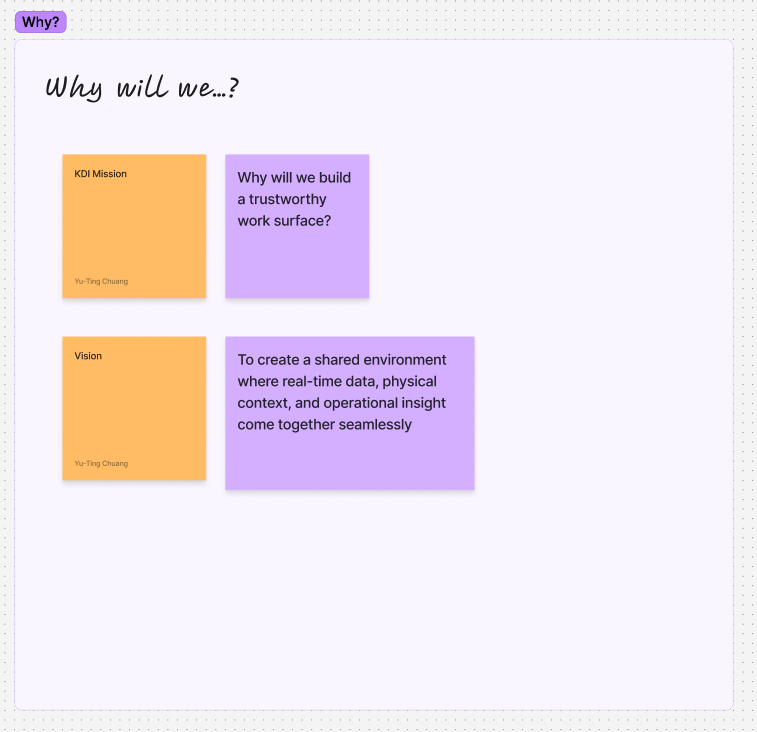
Why
Team Mission
Team Mission
Our vision was simple yet ambitious: make the invisible visible.
We aimed to turn complex data into intuitive spatial experiences that empower users to see, understand, and act with confidence. Visualization became more than a shared component — it evolved into a shared language, connecting teams, data, and decisions across the product ecosystem.
The Purpose — Framing the right questions
The goal wasn’t to produce a polished vision on day one but to surface the right questions:
-
Business: How can visualization strengthen our product ecosystem and differentiate us in the market?
-
Customer: What real problems does it solve today, and what frustrations could it remove tomorrow?
-
Product: How should visualization evolve to better support decision-making, collaboration, and situational awareness?
We mapped opportunities visually, linking users, systems, and outcomes — treating visualization not as a graphic layer, but as a way to create shared understanding.
“What if visualization isn’t just about seeing things, but about understanding relationships between data, people, and context in real time?”

Perspectives — Facilitating Collective Insight
As facilitator, my goal wasn’t to find a single “best” idea, but to help every team member see how their perspective contributes to the larger picture.
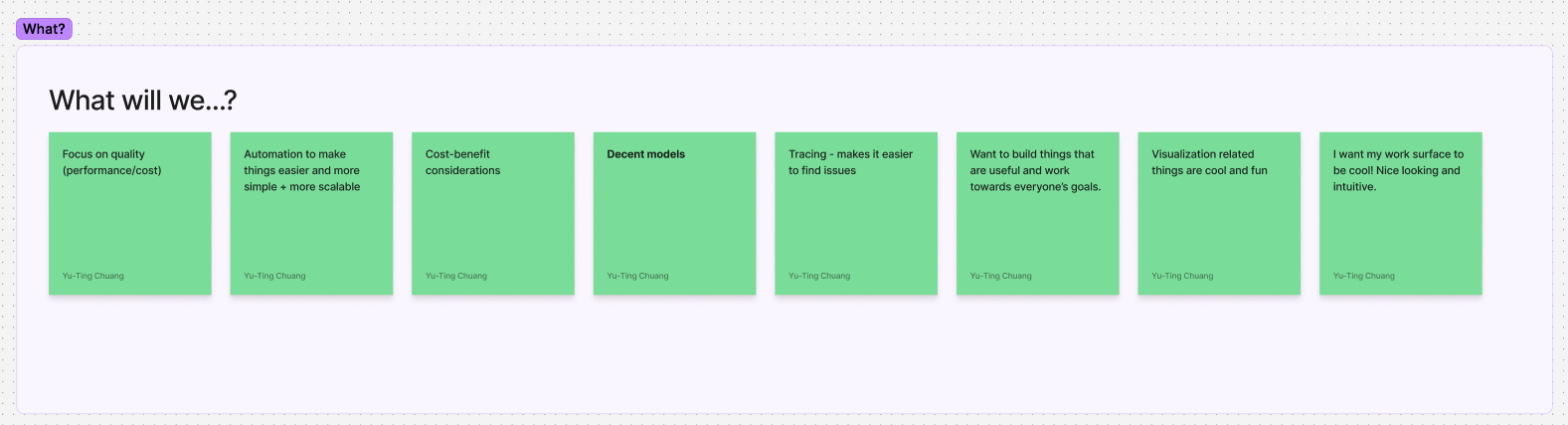
We began with individual brainstorming before merging ideas. Despite working across time zones, the team was surprisingly aligned around common themes:
-
Clarity and confidence: Visualization should help users trust what they see.
-
Ease and scalability: Simplify complex workflows and make performance consistent across tools.
-
Empowerment: Visualization should be a thinking space — where people can explore, compare, and understand context.
-
Performance and accessibility: Ensure stability across platforms — desktop, web, and immersive environments.
-
Collaboration and automation: Reduce manual steps, encourage faster feedback, and enable smoother coordination.
-
Enjoyability: Even in complex systems, intuitive design fosters engagement and confidence.
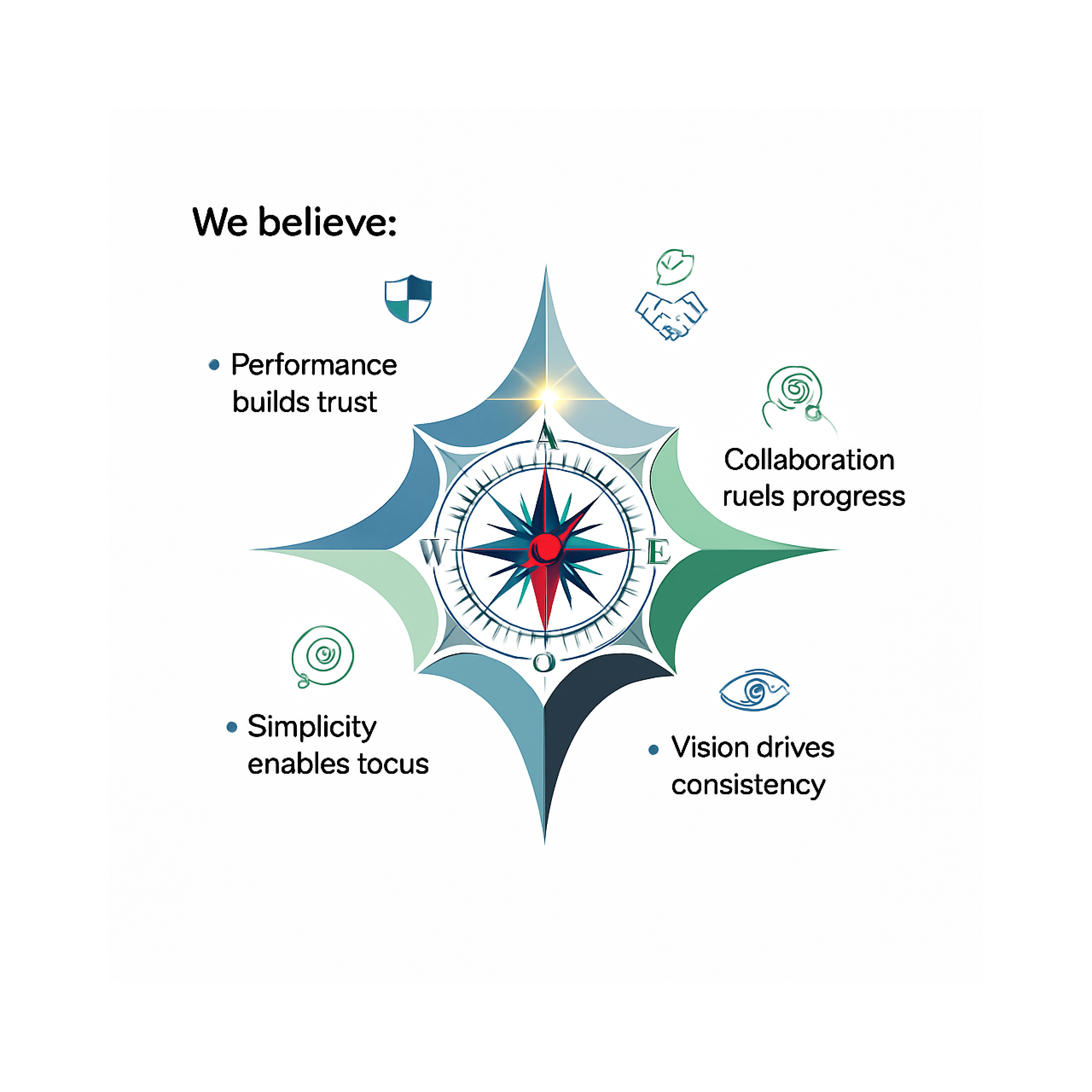
By the end, the group converged on one shared belief:
Visualization should unify, not complicate, the way people work.
It should bridge data, tools, and teams into one meaningful environment where clarity drives better decisions.
This alignment became the foundation for our shared design vision — built collectively rather than defined by individuals.
From vision to action
Once the team aligned on core principles, we translated them into design guidelines shaping every subsequent decision:
-
Clarity as default: Each interaction should feel predictable and easy to follow.
-
Scalability through structure: Modular design ensures that improvements benefit all products using the visualization framework.
-
Performance as foundation: Reliable rendering and quick loading times build user trust.
-
Collaboration in practice: Regular cross-functional reviews keep decisions transparent and connected to real user needs.
This alignment gave the team confidence to move faster, test smarter, and deliver with shared intent.
Reflections — Why Vision Work Matters
Facilitating vision work taught us that defining direction is as much about alignment as creativity.
It wasn’t about who proposed the best idea , it was about finding shared purpose in what visualization represents.
In hindsight, the time spent aligning early saved countless hours later in design debates and rework.
It also created a cultural shift: people stopped saying “their visualization” and started saying “our shared vision.”
“Vision work is where design stops decorating solutions and starts defining strategy.”

From chaos to clarity: building a UX Process for enterprise practices

Facilitating a sprint workshop for 3D View

Sharing UX insights through talks and events
(47) 41 33 16 51
Reach Me By Phone
Email Me
Rølivegen 367, Steinkjer, 7718, Trøndelag
📍 Based in Norway